Robots Among Us: GBA HCI Summer School 2025
Southern University of Science and Technology
Shenzhen, CN 2025
Imagine the year 2500. After centuries of living almost entirely in virtual worlds, humanity has hit a wall. We’ve become “disembodied,” losing our intuitive connection to our own physical selves, to nature, and to other living creatures. There is a deep, collective longing to return to a more tactile, relational way of life, but the “how” has been forgotten. To bridge this gap, we look to a new kind of technology: More-Than-Human robots. These aren’t just cold machines; they are designed as empathetic companions. They don’t just serve human needs—they understand the rhythms of the wider world, helping us navigate a respectful and balanced reconnection with plants, animals, and the digital tools we’ve built.
We presented this narrative to a group of Chinese students from various disciplines as part of an intensive interaction design course. To help them bring this future to life, we combined the philosophy of More-Than-Human Design and Speculative Design with specialized toolkits: Philip Beesley’s “Archimedean Polyhedra” geometry kit to build complex, lightweight structures, and TU Delft’s “Connected Interaction Kit” technology kit to give those structures “life” through sensors and movement.
The students didn’t just stay in the classroom. They visited a local mangrove forest to observe the environment firsthand. They practiced “acting out” the personalities of strange new creatures, learning how to translate organic behaviours into digital code and physical forms. Through storytelling and comic-strip design, they shaped a narrative that could invite any visitor into their world.
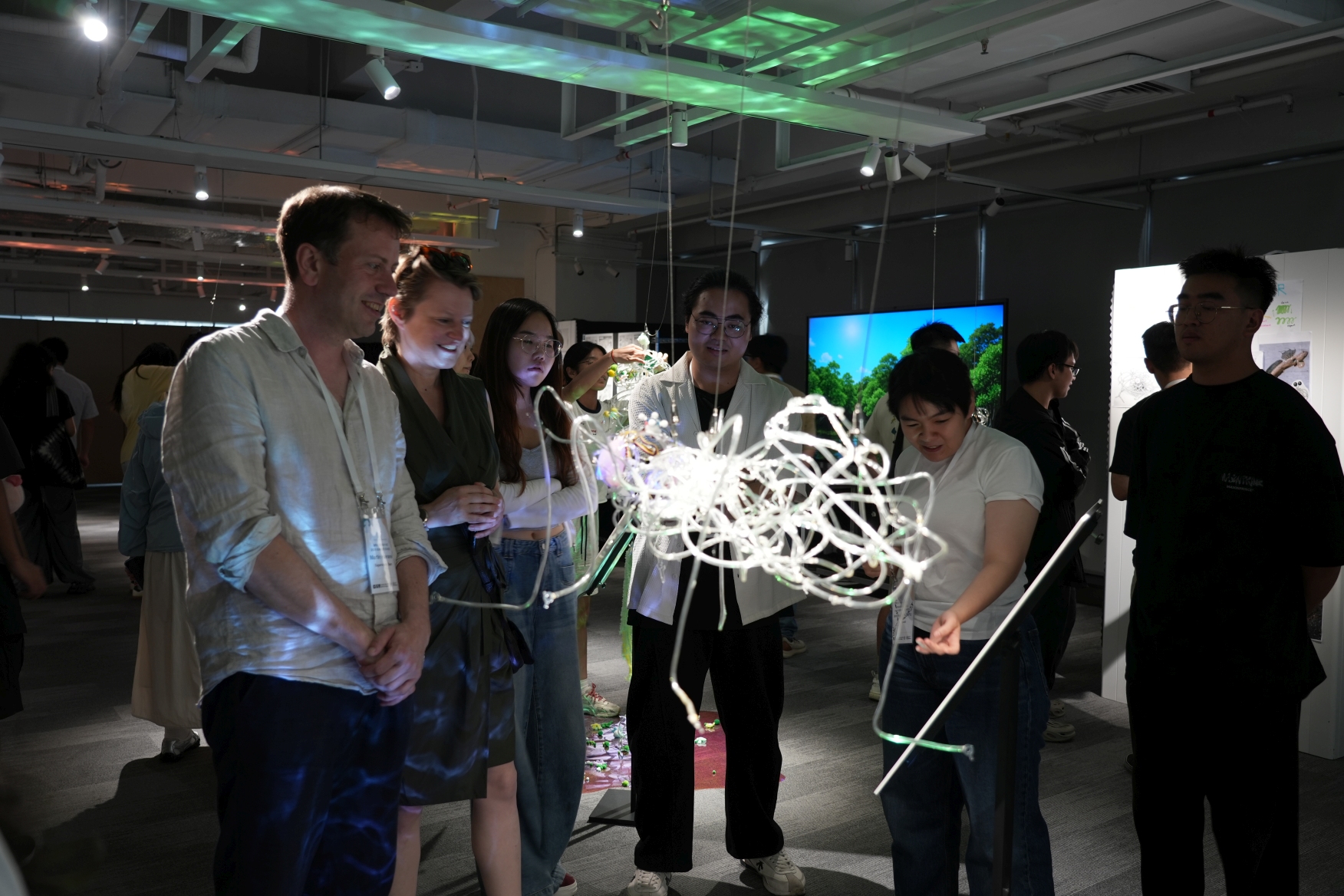
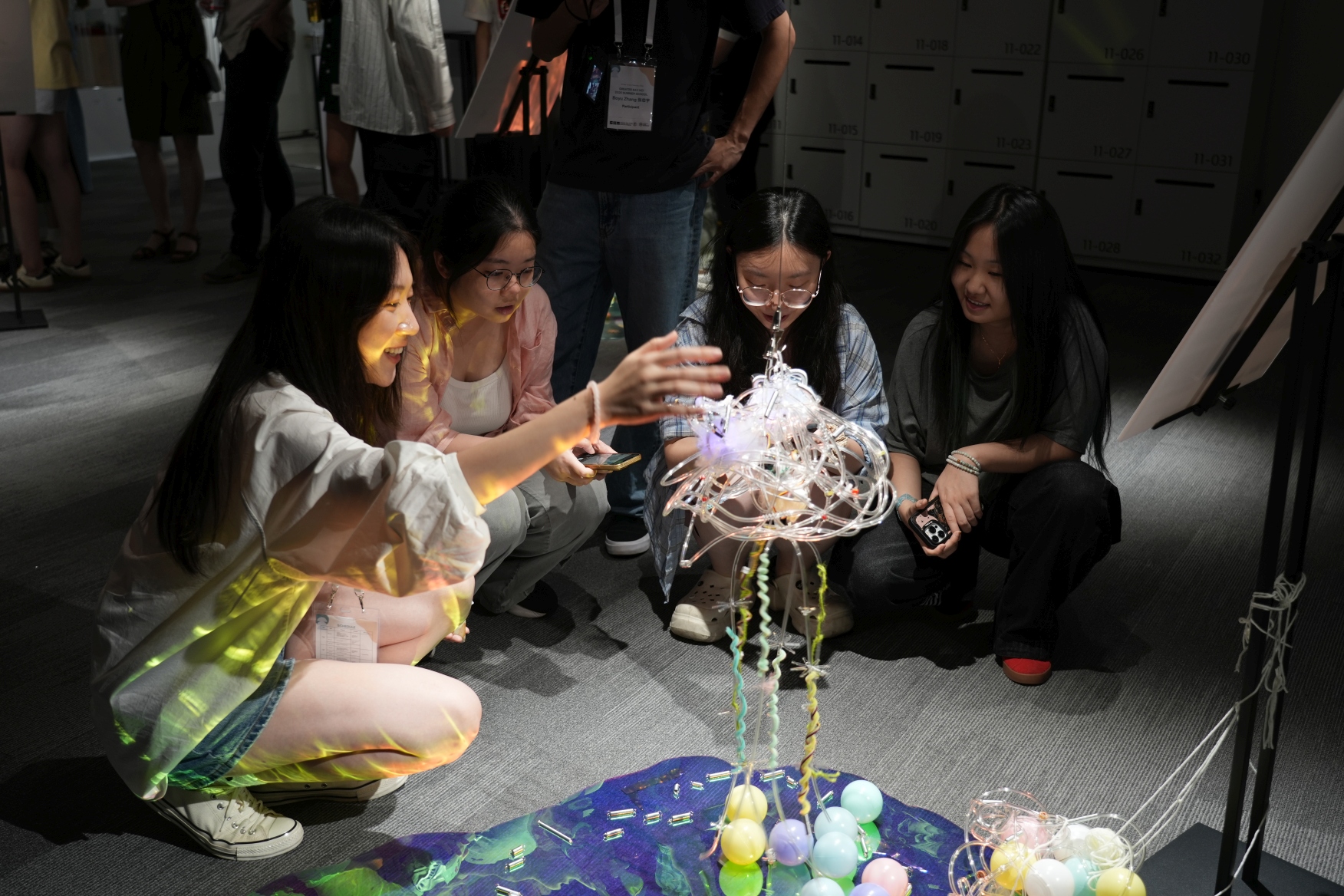
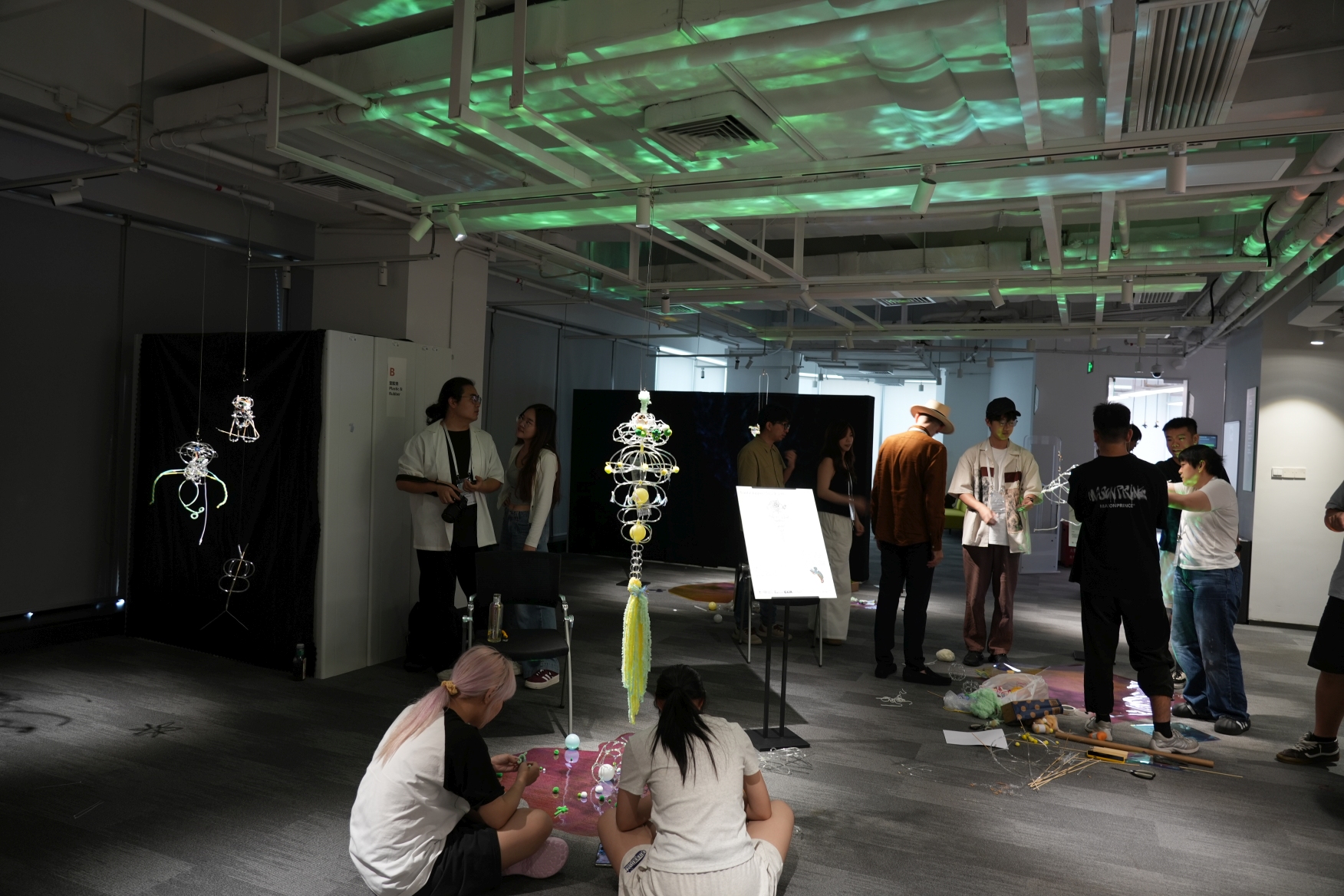
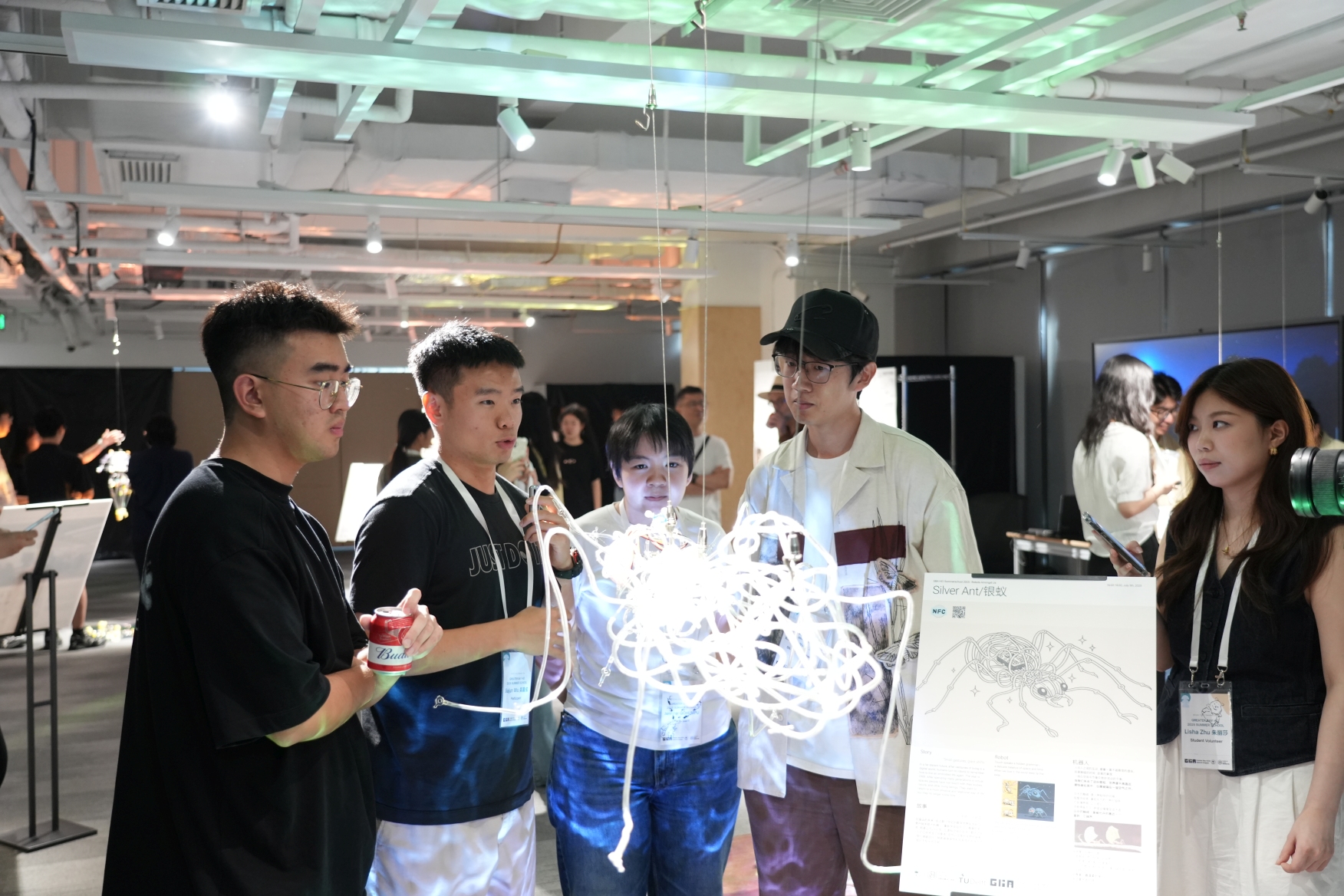
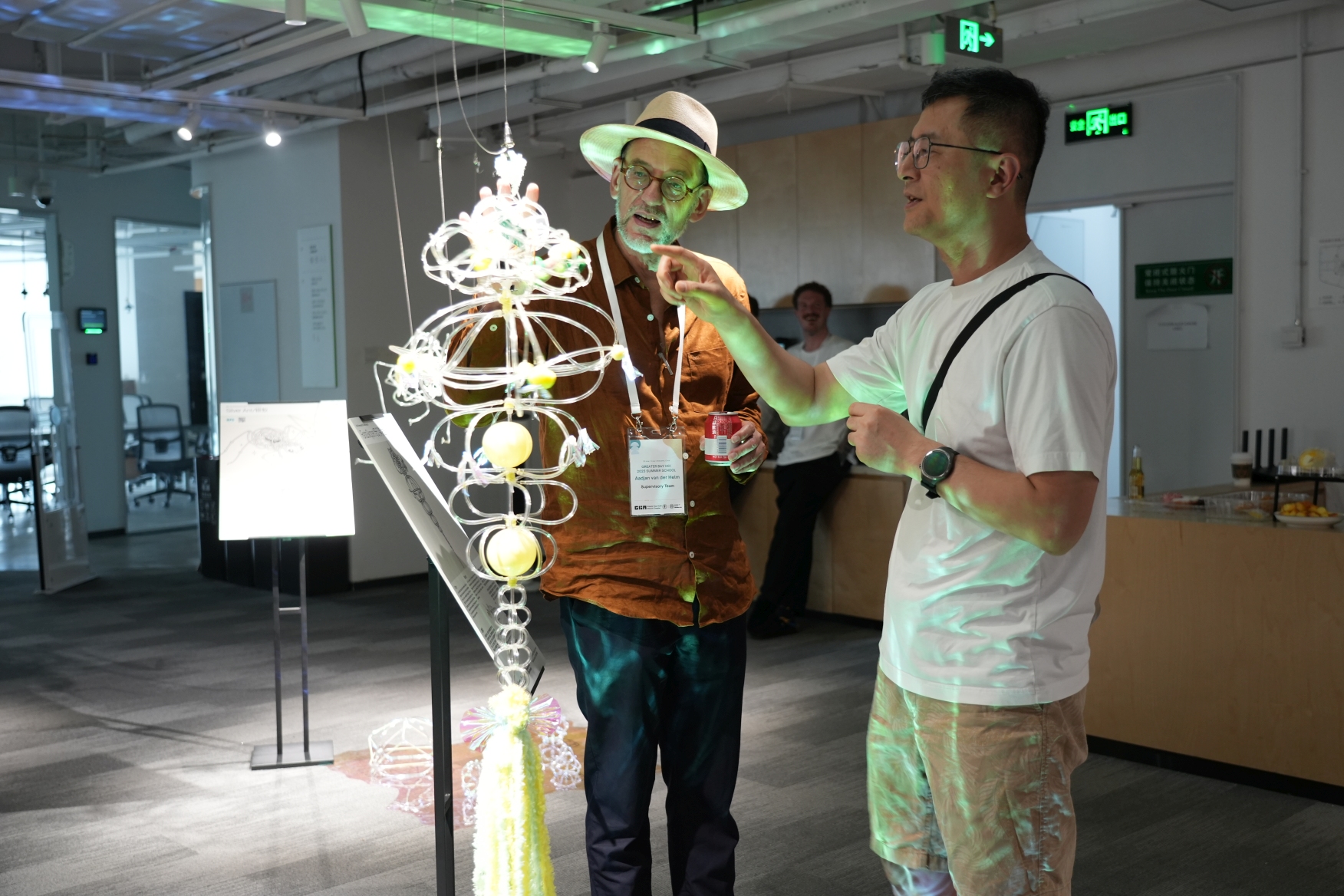
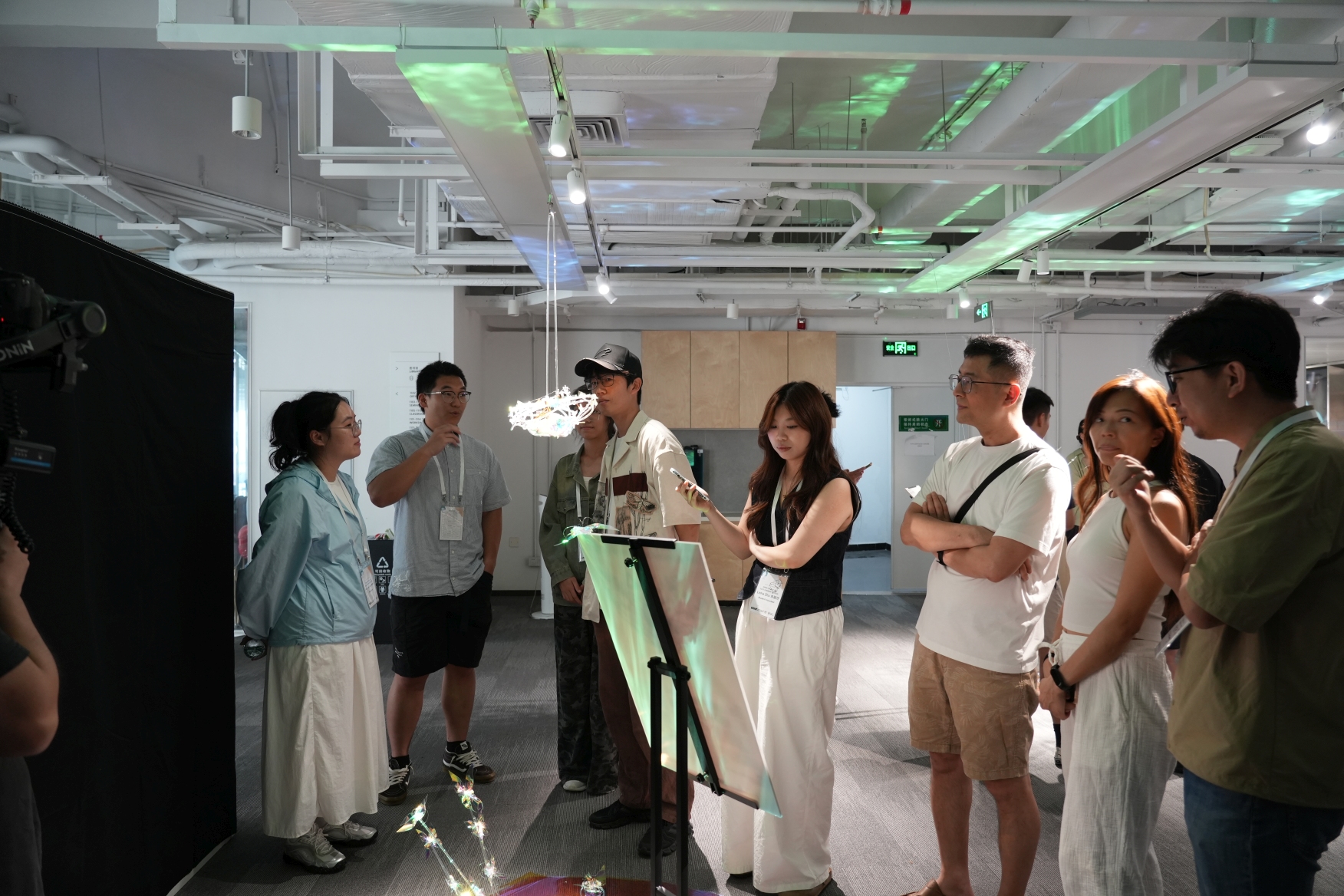
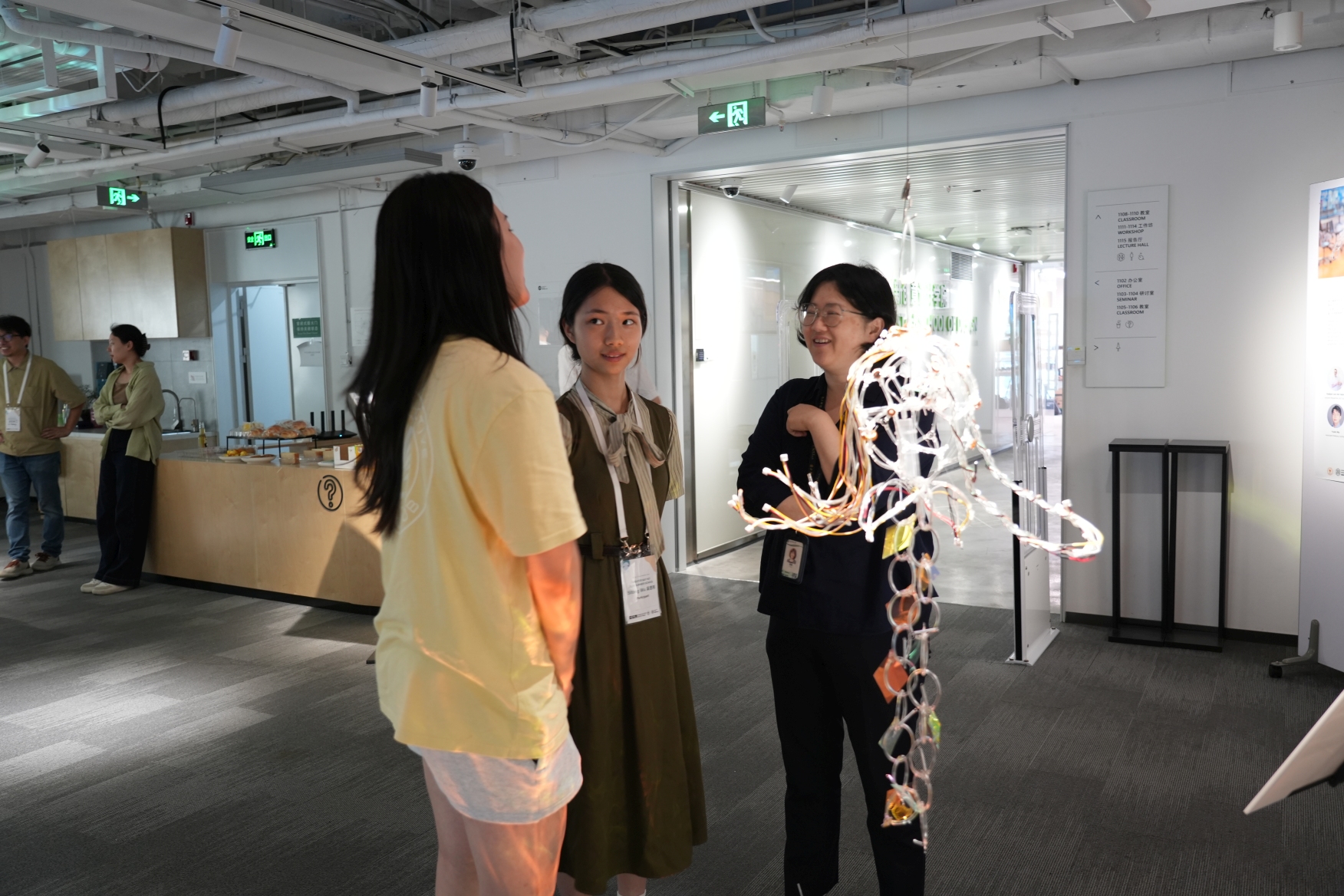
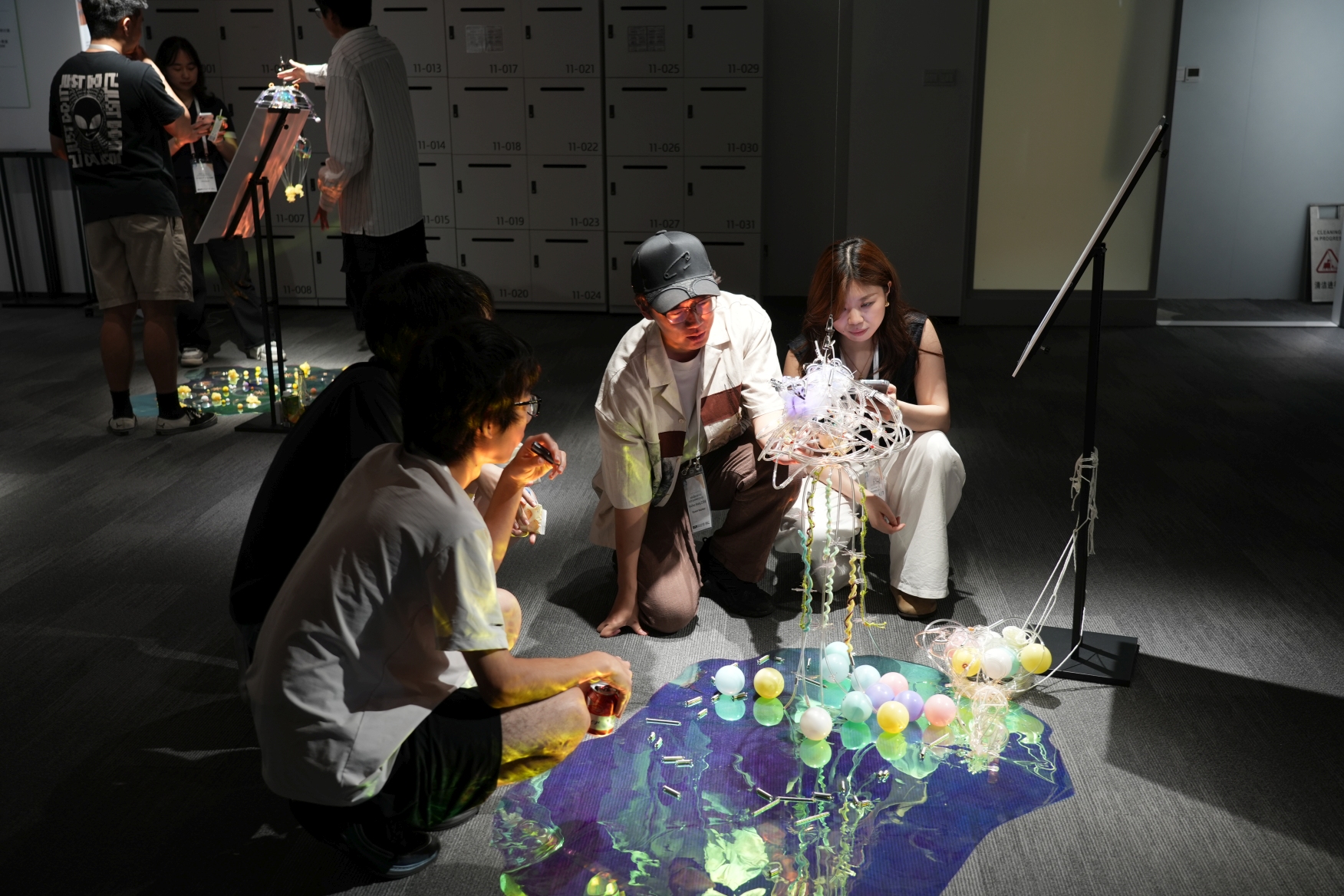
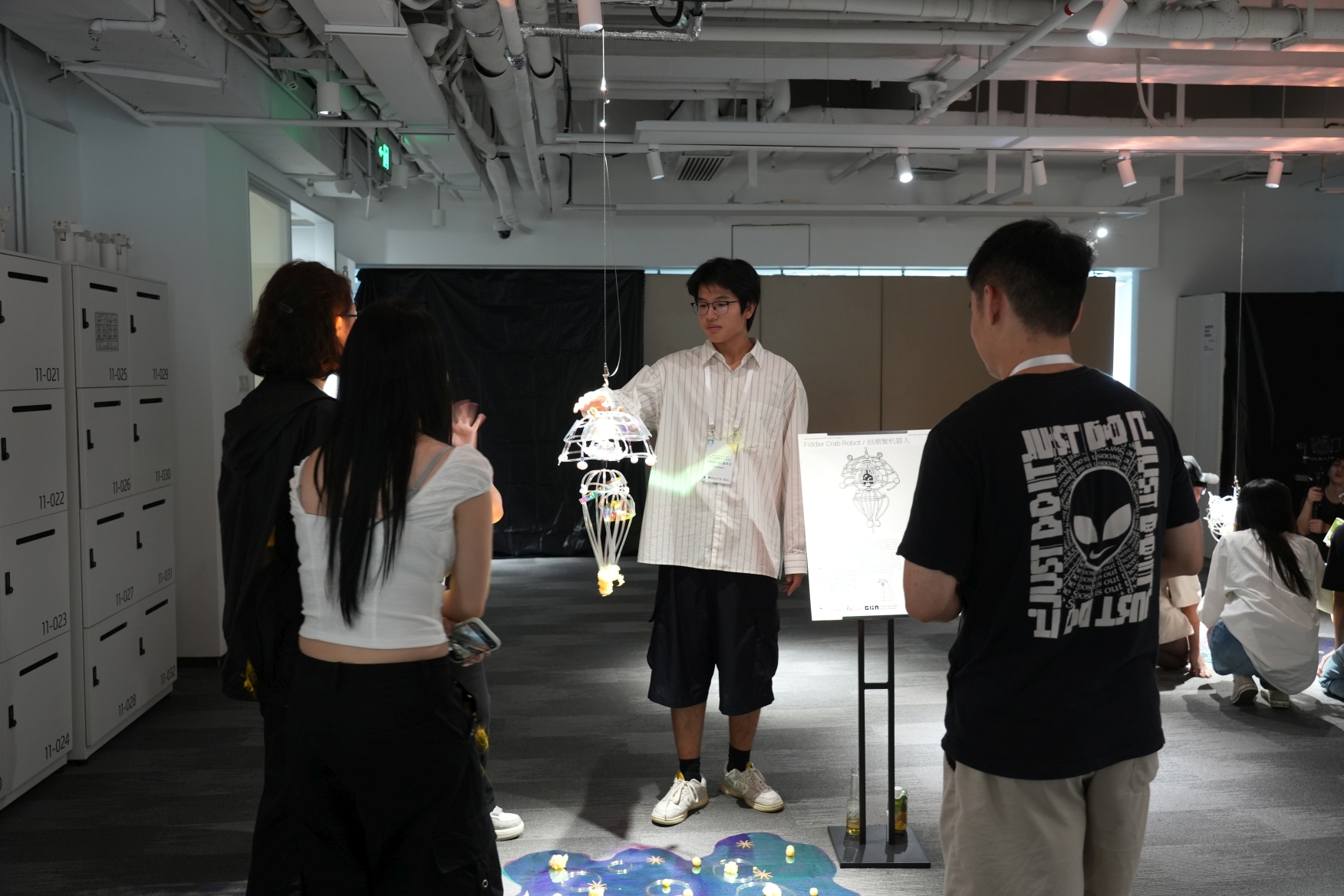
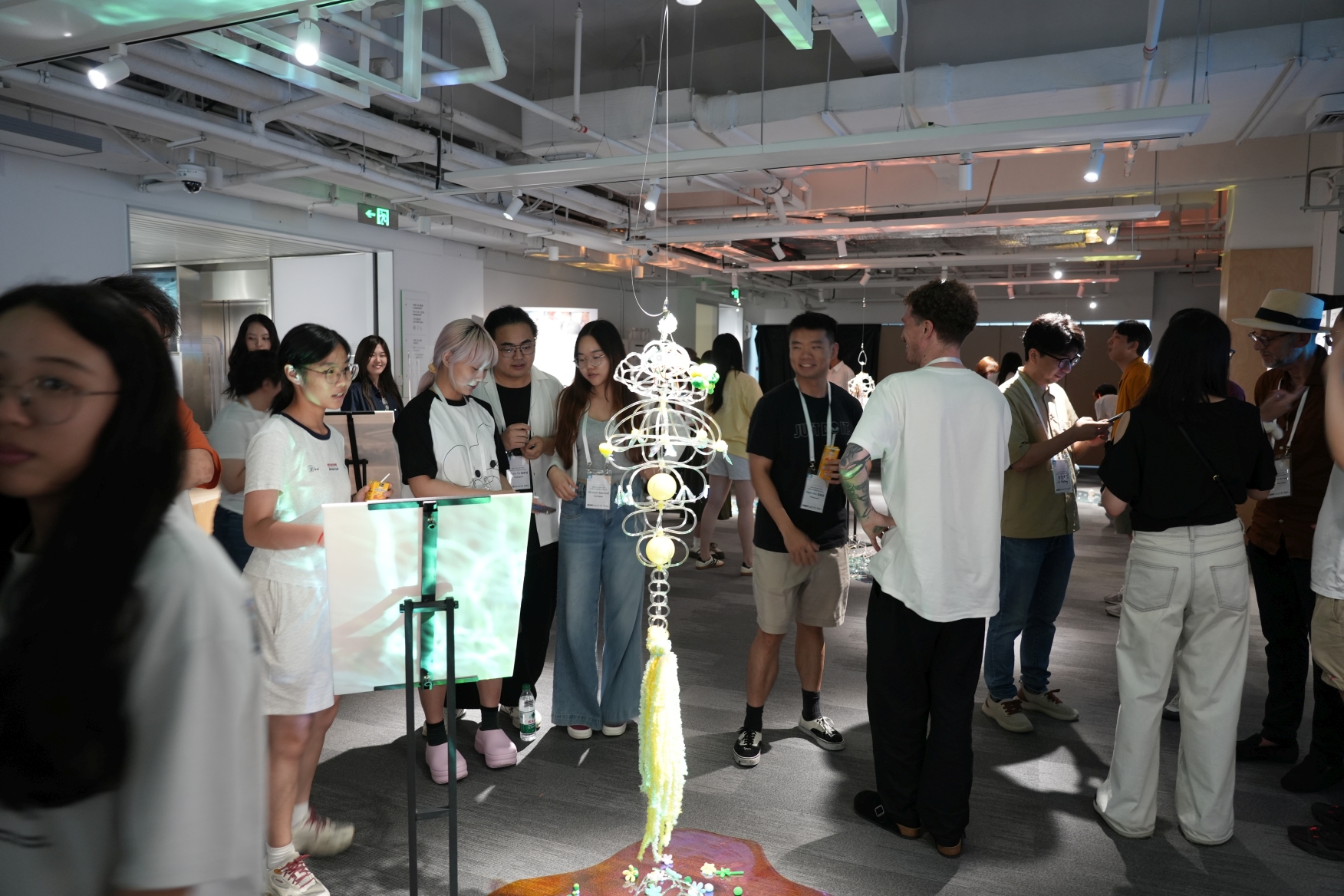
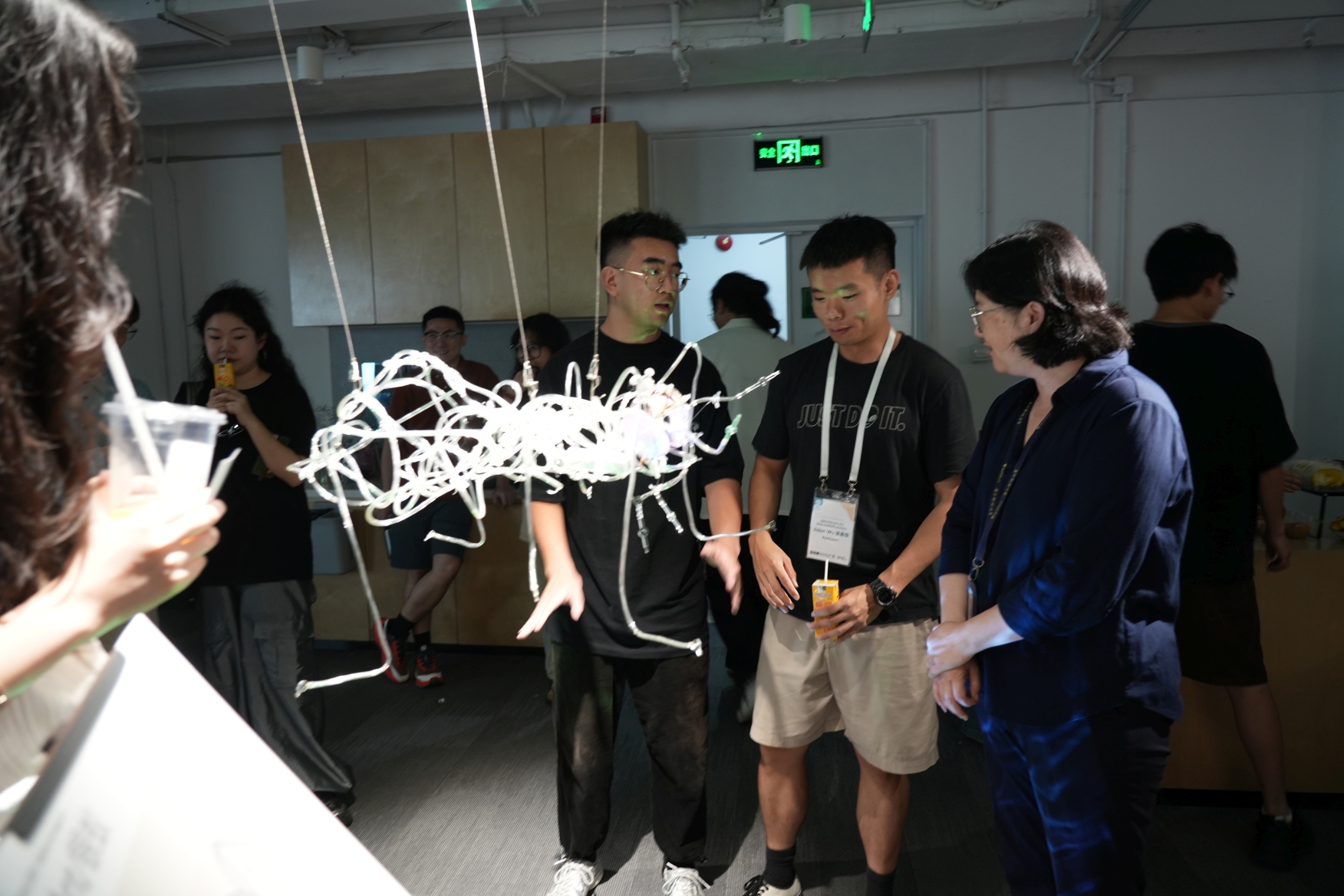
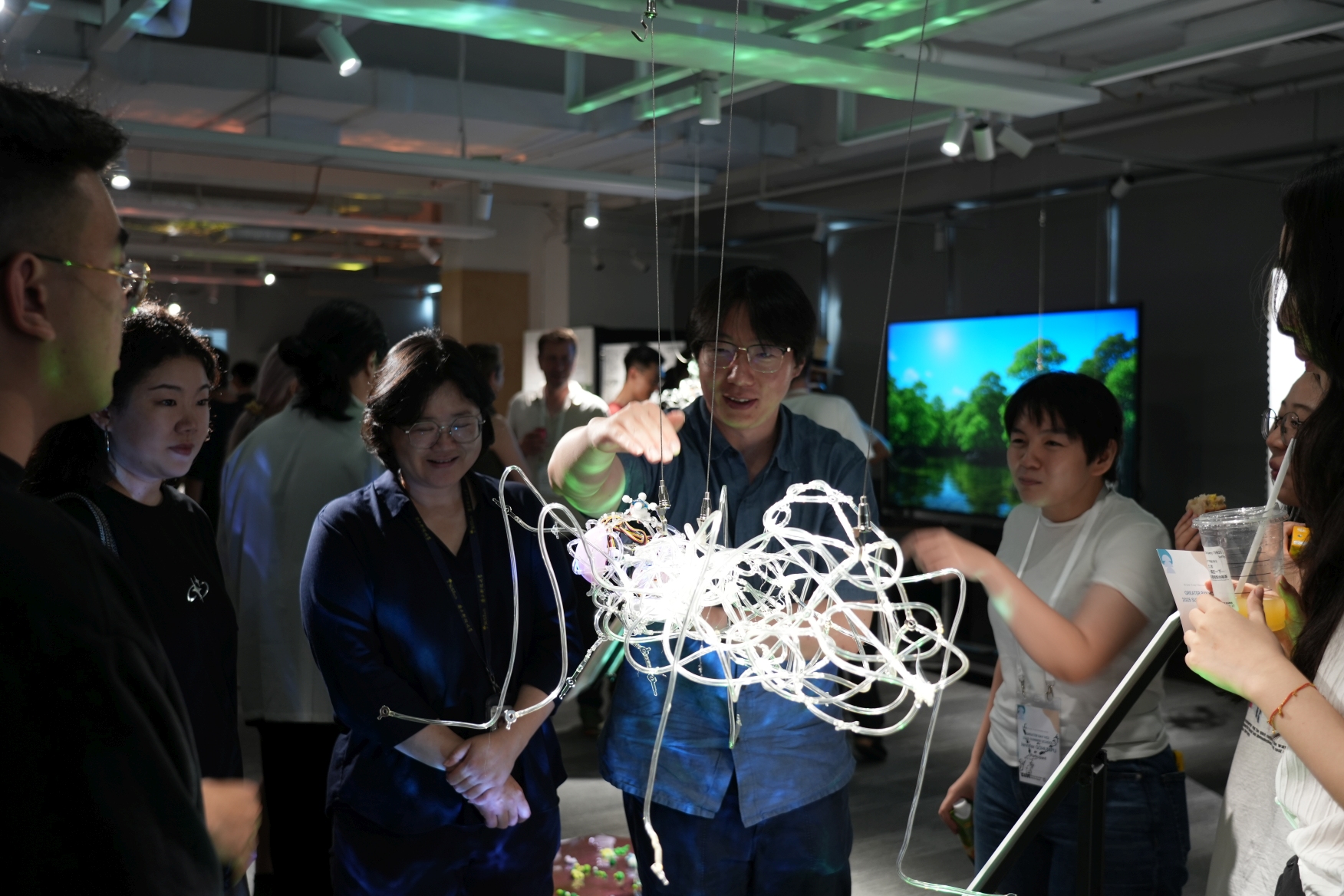
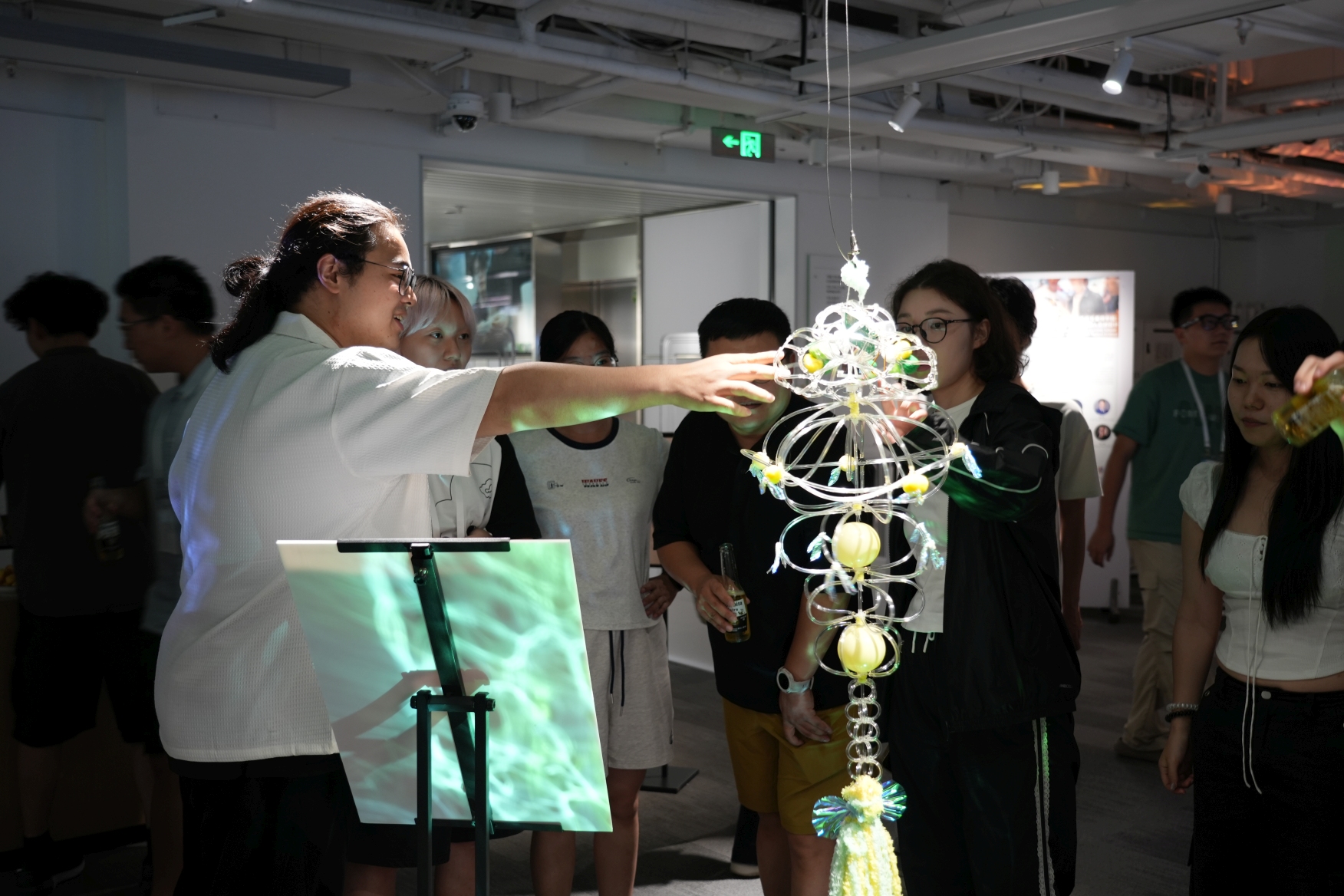
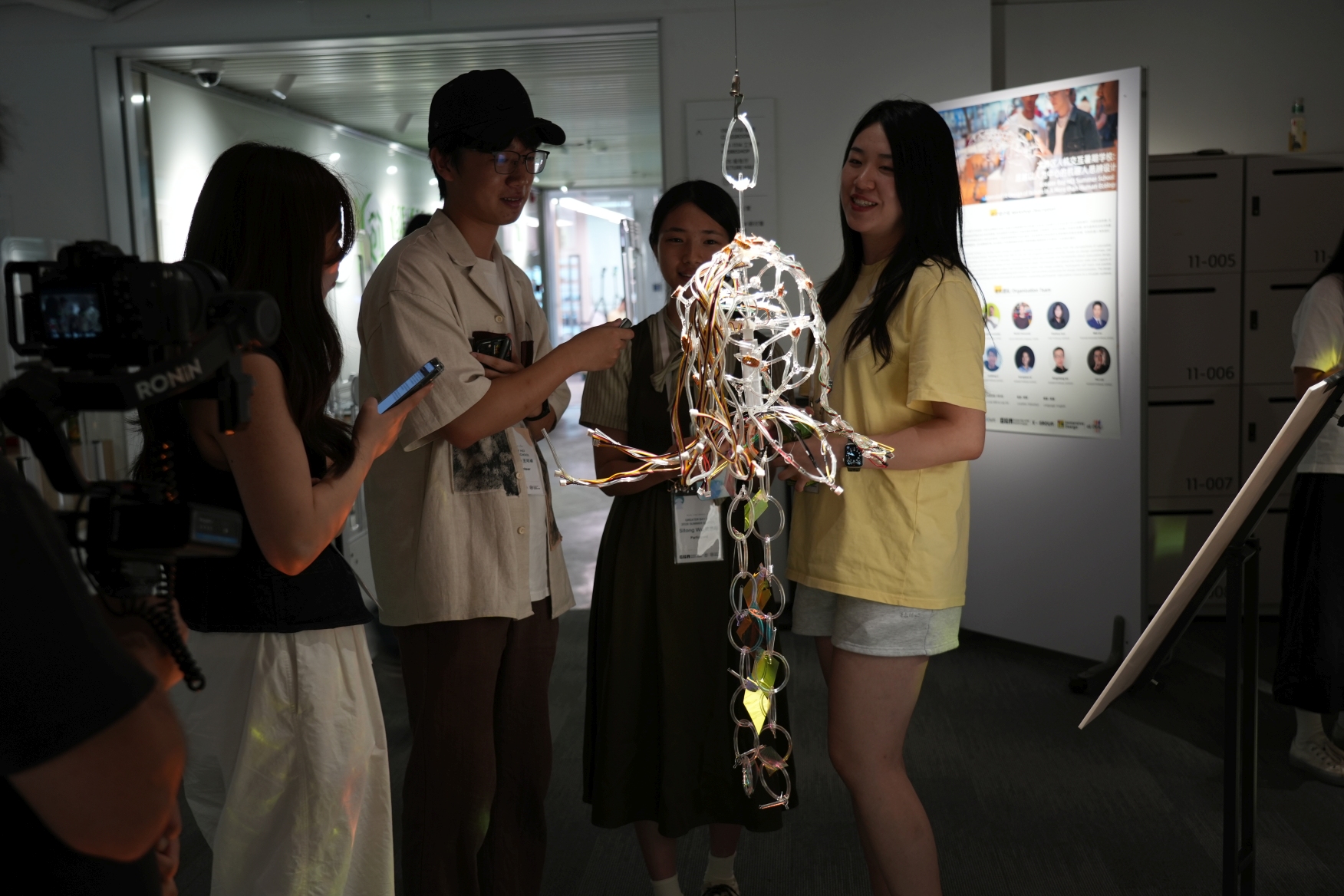
On the final day, we transformed the workspace into a public exhibition—a simulated mangrove forest from the year 2500. Visitors didn’t just look at the robots; they interacted with them. These machines acted as keys, unlocking digital layers of knowledge and guiding people back toward a physical, “embodied” relationship with their surroundings. Through recorded interviews, the students shared how this process gave them a new sense of purpose, showing that design can be a powerful tool to reflect on our relationship with the planet.
Project Leads
- An Pengcheng
- Martin Havranek
- Aadjan van der Helm
- Alessandro Ianniello
- Je Seungwoo
- Li Xueliang
- Liu Wei
- Luo Tao
- Ma Yuxin
- Sun Xiaohua
Participants
Chen Yutai
Khalium Ganbat
Jennifer Gohumpu
Jin Dongli
Jiang Huanshu
Li Ximeng
Liang Jiayu
Ling Xinyi
Meng Xiaoqi
Peng Xiaojie
Wang Chujun
Wang Mo
Wang Yi
Wu Jiajun
Wu Sitong
Yu Houjie
Zhang Boyu
Zhang Shusen
Zhao Zhao
Student Volunteers
Chen Baihui
Chen Jiale
Chen Yenglin
Guan Zezheng
Huang Yuqi
Jiang Weitao
Li Yujie
Li Zinan
Lin Yilong
Qi Rui
Wang Kezhuo
Wang Zhicheng
Xie Tianze
Zhu Lisha
Zou Qianyuan
Support Gratefully Acknowledged: SUSTech School of Design, TU Delft, Greater Bay ACM SIGCHI Chapter